A Legacy Carved from History
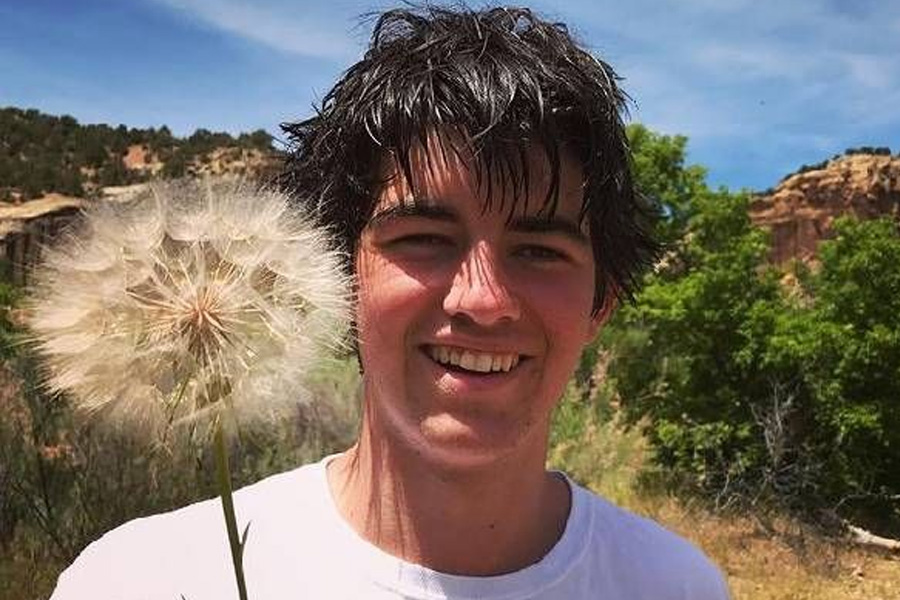
The name William Finbar Kennedy, known as Finn Kennedy, evokes American history. On November 8, 1997, he was born into the Kennedy family, a legacy of activism, perseverance, and influence. Finn, the grandson of Robert F. Kennedy and Ethel Skakel Kennedy, connects the family’s past and present.
Yet, William Finbar Kennedy’s life is not simply a continuation of the dynasty’s public-facing legacy. His path diverges in meaningful ways, marked by a commitment to environmental stewardship and a preference for quiet, purpose-driven living. While his family’s history is filled with political campaigns, public service, and media attention, Finn chooses the natural world as his platform. His life paints a portrait of a young man who seeks to make waves not in grand arenas but in the oceans and ecosystems he works to protect.
The Roots of a Conservationist
Raised in Bedford, New York, William Finbar Kennedy was surrounded by a world where nature was not just scenery but a formative element of daily life. His childhood was shaped by the rivers, trails, and coastlines of the Northeast, coupled with summers spent on Cape Cod and the Hyannis Port compound. These landscapes were both his playground and his classroom, instilling in him a sense of responsibility toward the environment.
The Kennedy family’s love for the outdoors became a cornerstone of Finn’s upbringing. Whether skiing down snow-capped mountains or exploring the Atlantic’s vastness, these experiences sparked a curiosity about the natural world. This curiosity would later evolve into a professional focus, as Finn pursued biology at Brown University, specializing in marine ecology. His academic journey was not just about learning; it was about understanding the delicate balance of life on Earth and finding ways to preserve it.
Navigating Personal Loss and Resilience
Like many Kennedys, Finn’s life was influenced by luxury and tragedy. He lost his mother, Mary Richardson Kennedy, to suicide aged 14. This catastrophe shaped his youth, pushing him and his siblings to cope with bereavement and their family’s public troubles.
However, the Kennedy family became more committed to mental health activism and awareness after this loss. Tragic events can shape the soul, fostering empathy and purpose. Resilience became a modest strength for William Finbar Kennedy, guiding his life and career.
A Voice for the Environment
While many heirs to prominent families find themselves in the spotlight, Finn has chosen a different path. His environmental advocacy began early, with notable moments such as delivering remarks on climate change’s impact on winter sports in 2016. This issue wasn’t abstract for Finn; it was personal. As an avid skier, he witnessed firsthand how shrinking snow seasons were altering the landscapes he cherished.
The 2017 National Geographic documentary Sea of Hope purportedly featured William Finbar Kennedy. The film showcased American marine protected areas and scientists protecting them. Finn saw this as a cameo that showed his love of the ocean and its ecosystems. His involvement in such programs shows his preference for action over words and solutions over talks.
The Kennedy Family Mosaic
Finn’s life is intertwined with the Kennedy family over generations and fields. Conor, Kyra, and Aidan, his full siblings, balance personal goals with name expectations. Half-siblings Bobby Kennedy III and Kick Kennedy work in movies and the arts, adding creativity to the family story.
Looking outward, the Kennedy family tree branches into politics, human rights advocacy, and environmental activism. Figures such as Kathleen Kennedy Townsend and Kerry Kennedy exemplify the family’s tradition of public service. But while many Kennedys are known for their public-facing roles, Finn’s approach is quieter. He embodies a different kind of leadership, one that operates behind the scenes and in the field.
A Life Lived Off the Beaten Path
It is rare to find someone of William Finbar Kennedy’s lineage who so deliberately avoids the spotlight. His public appearances are infrequent and often incidental, such as a viral moment in 2025 when his father, Robert F. Kennedy Jr., joined him for part of an Ironman race in Texas. This brief glimpse into Finn’s life offered a testament to the enduring bond between father and son, a connection forged through shared values and mutual respect.
Finn’s low profile extends to his career. While no formal job title or public role has been announced, his interests in marine conservation and climate science suggest a focus on project-based work or nonprofit initiatives. He is, in many ways, a field naturalist at heart—someone more comfortable in a wetsuit or hiking boots than in a suit and tie.
Themes of Stewardship and Discretion
William Finbar Kennedy’s life contrasts with his family’s turmoil. He values ecosystems over egos and works with the precision of a scientist and the heart of a conservationist.
Finn’s discretion is notable too. He prefers a life off-camera in an age of social media. This option shows maturity and self-awareness few people, let alone public celebrities, have. It also shows his focus on substance above spectacle, rare these fame-filled times.
Kennedy’s tale is one of modest, consistent work, not podiums and parades. His life, like the tidal pools he studies, is a microcosm of resilience and connectivity, an essential element of a wider universe.
A Fresh Look At California Luxury Rehabilitation
When Your Utah Website Needs More Than A Fresh Coat Of Content
How Commercial Foundations Keep Buildings Standing Tall
The Modern Writers Toolkit For Turning Ideas Into Publishable Stories
How Smart Water Management Helps Concrete Outlast The Weather